


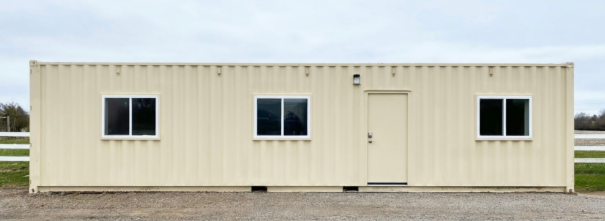
How Much Room Does Your Job Site Really Need for Storage?
Bigger gives you more room, but it also takes more space to deliver and place. When customers ask us about storage containers in Kansas City, we usually want to know what they’re storing and what the site looks like first.
September 18, 2026
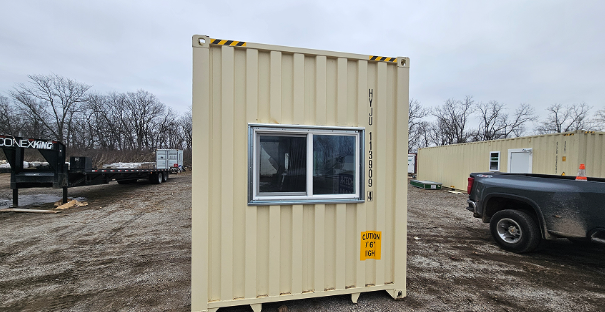
Why Can the Price of the Same Size Container Vary So Much?
If you’re researching shipping containers for sale in Kansas City, you’ve probably noticed a pretty wide range of prices. A used container may only cost a few thousand dollars. Start looking at newer units, extra height, delivery, or modifications, though, and the number can change pretty quickly.
September 18, 2026
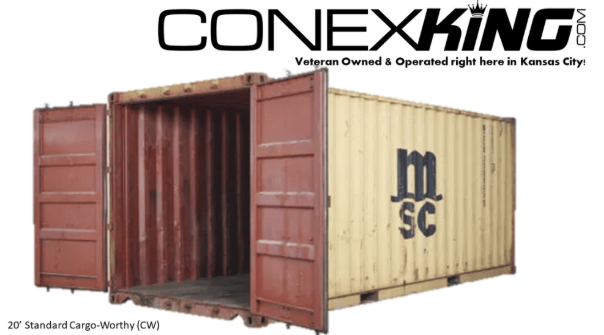
How Much Do Shipping Containers for Sale Cost in Kansas City?
If you’ve been looking at shipping containers for sale in Kansas City, you’ve probably seen prices that are all over the place. There’s a reason for that. Size matters, but so do age, condition, height, modifications, and delivery. Before settling on a container, it helps to know what you’re actually paying for.
September 18, 2026

How Much Do Shipping Containers for Sale in Kansas City Cost?
If you've been researching shipping containers for sale in Kansas City, you've probably noticed that prices can vary quite a bit. That's because the cost depends on much more than the size of the container.
September 18, 2026
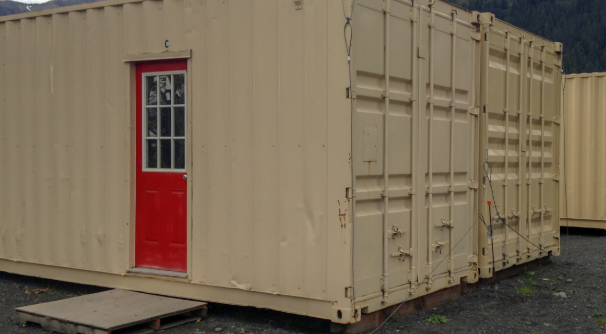
What Is the Best Storage Container for Sale in Kansas City?
Finding the best storage containers for sale in Kansas City starts with understanding how you plan to use them. It should fit your space, budget, and long-term goals, whether you need extra storage at home, on a job site, or for your business.
September 18, 2026

Why Do Homeowners End Up Needing Extra Storage in The Middle of Normal Life?
Residential storage containers in Kansas City usually make sense before people ever realize they are shopping for them. It starts with one room being redone, or a move that overlaps with a closing date, or a parent downsizing, or a stack of boxes that was supposed to be temporary and suddenly is not.
September 18, 2026

How Do You Make Container Delivery Day Go Smoothly In Kansas City?
Shipping container delivery in Kansas City is one of those things people assume will be easy right up until the truck is on the way. The container is picked out. The site looks fine from a distance.
September 18, 2026

When Do Portable Storage Containers Actually Make Life Easier?
Portable storage containers in Kansas City are at their best when they solve a messy, in-between kind of problem. Not permanent storage. Not a full move-out. More like those stretches where everything is in motion and you need space that stays close.
September 18, 2026
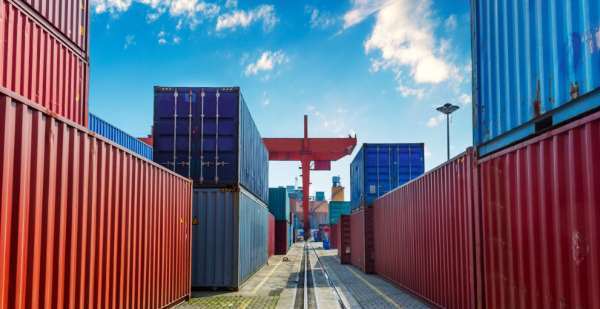
What Should You Check Before Buying a Shipping Container in Kansas City?
When searching for shipping containers for sale in Kansas City, they can look pretty similar at first glance, especially if you are comparing listings online and trying to make a quick decision.
September 18, 2026

How Shipping Containers are Revolutionizing the Construction Industry
The construction industry has been going through a period of revolution in recent years, with advancements in technology and materials changing the way that we build. One of the most exciting and innovative technologies that have been emerging is the use of shipping containers. What was once just a way to transport goods has become a versatile and cost-effective building material.
Shipping containers are made from durable steel, which makes them sturdy and resistant to weather and wear. They also have a standardized size and shape, which makes them easy to transport and stack. This makes them an ideal material for building structures, as they can be easily modified and repurposed into a wide range of uses.
One of the primary advantages of using shipping containers in construction is their cost-effectiveness. Building with traditional materials like wood and brick can be expensive, but shipping containers are inexpensive by comparison. This makes them an attractive option for those looking to build a structure on a tight budget.
They are also eco-friendly, as they can be recycled and repurposed into new structures. This means that they have a much lower environmental impact than traditional building materials, which often end up in landfills at the end of their useful life. Additionally, many shipping containers have already been used for their intended purpose, which means that using them in construction gives them a second life and reduces waste.
Another advantage of containers in is their versatility. They can be stacked, cut, and modified in a variety of ways, allowing them to be used for a wide range of different structures. From homes and offices to schools and community centers, shipping containers are being used to create buildings of all shapes and sizes.
One area where shipping containers are particularly useful is in the construction of emergency shelters. When natural disasters or other emergencies occur, there is often an urgent need for temporary housing for those who have been displaced. Shipping containers can be quickly and easily converted into livable spaces, providing shelter for those in need.
Shipping containers can also be used to create unique and innovative structures that are not possible with traditional building materials. They can be stacked and configured in a variety of different ways to create interesting and eye-catching designs. They can also be used to create mobile structures, which can be moved from one location to another as needed.
There are, of course, some challenges to using shipping containers in construction. One of the primary challenges is insulation. Steel is a poor insulator, which means that shipping containers can get very hot or very cold depending on the weather. This problem can be addressed by adding insulation to the container, but it does add to the cost of construction.
Another challenge is structural integrity. Shipping containers are designed to be stacked and transported, but they were not designed to support additional weight or be cut into. This means that modifications to the container must be made carefully to ensure that the structural integrity is not compromised.
Despite these challenges, the benefits of using shipping containers in construction far outweigh the drawbacks. Shipping containers are cost-effective, eco-friendly, versatile, and can be used to create unique and innovative structures. As the construction industry continues to evolve, it is clear that shipping containers will continue to play an important role in the future of building design and construction.
March 23, 2026