


How Much Room Does Your Job Site Really Need for Storage?
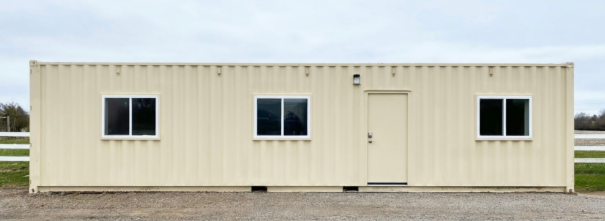
Bigger gives you more room, but it also takes more space to deliver and place. When customers ask us about storage containers in Kansas City, we usually want to know what they’re storing and what the site looks like first.
September 18, 2026
Read More>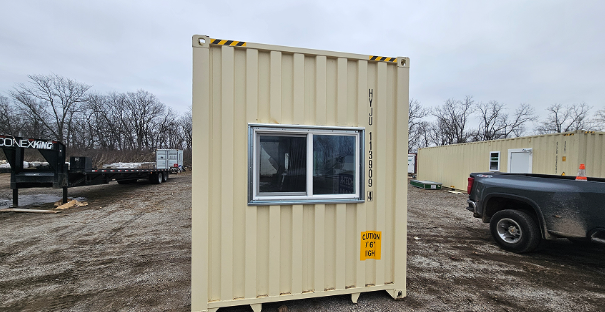
Why Can the Price of the Same Size Container Vary So Much?
If you’re researching shipping containers for sale in Kansas City, you’ve probably noticed a pretty wide range of prices. A used container may only cost a few thousand dollars. Start looking at newer units, extra height, delivery, or modifications, though, and the number can change pretty quickly.
September 18, 2026
Read More>
How Much Do Shipping Containers for Sale Cost in Kansas City?
If you’ve been looking at shipping containers for sale in Kansas City, you’ve probably seen prices that are all over the place. There’s a reason for that. Size matters, but so do age, condition, height, modifications, and delivery. Before settling on a container, it helps to know what you’re actually paying for.
September 18, 2026
Read More>
How Much Do Shipping Containers for Sale in Kansas City Cost?
If you've been researching shipping containers for sale in Kansas City, you've probably noticed that prices can vary quite a bit. That's because the cost depends on much more than the size of the container.
September 18, 2026
Read More>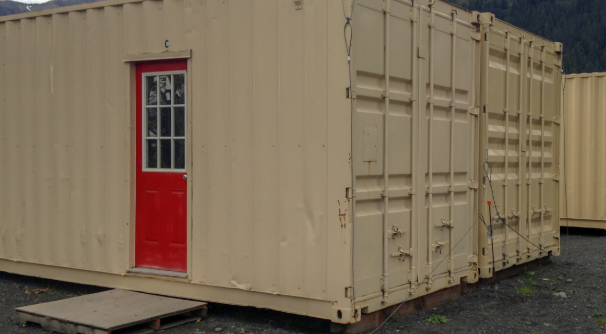
What Is the Best Storage Container for Sale in Kansas City?
Finding the best storage containers for sale in Kansas City starts with understanding how you plan to use them. It should fit your space, budget, and long-term goals, whether you need extra storage at home, on a job site, or for your business.
September 18, 2026
Read More>
Why Do Homeowners End Up Needing Extra Storage in The Middle of Normal Life?
Residential storage containers in Kansas City usually make sense before people ever realize they are shopping for them. It starts with one room being redone, or a move that overlaps with a closing date, or a parent downsizing, or a stack of boxes that was supposed to be temporary and suddenly is not.
September 18, 2026
Read More>
How Do You Make Container Delivery Day Go Smoothly In Kansas City?
Shipping container delivery in Kansas City is one of those things people assume will be easy right up until the truck is on the way. The container is picked out. The site looks fine from a distance.
September 18, 2026
Read More>
When Do Portable Storage Containers Actually Make Life Easier?
Portable storage containers in Kansas City are at their best when they solve a messy, in-between kind of problem. Not permanent storage. Not a full move-out. More like those stretches where everything is in motion and you need space that stays close.
September 18, 2026
Read More>
What Should You Check Before Buying a Shipping Container in Kansas City?
When searching for shipping containers for sale in Kansas City, they can look pretty similar at first glance, especially if you are comparing listings online and trying to make a quick decision.
September 18, 2026
Read More>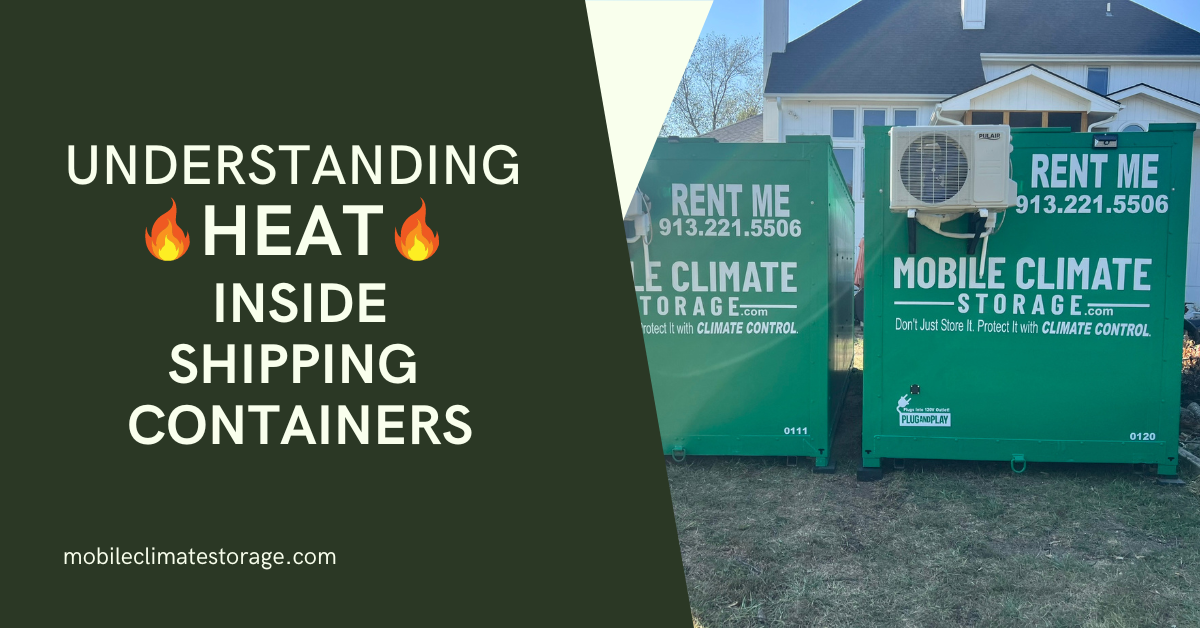
Understanding the Heat Inside Shipping Containers: What You Need to Know
The Hidden Heat Danger in Shipping Containers: How to Keep Your Stored Items Safe
Shipping containers have become increasingly popular for storage, offering a convenient and durable solution. However, one critical factor often gets overlooked: temperature management. These metal containers can turn into ovens under direct sunlight, particularly in warmer climates, putting your stored items at serious risk. In this post, we’ll explore just how hot shipping containers can get, the implications for different types of belongings, and why climate-controlled storage might be the smarter option.
1. How Hot Do Shipping Containers Really Get?
Shipping containers can heat up surprisingly fast, especially when left in direct sunlight. The internal temperature can rise to dangerous levels, even on days that don’t seem all that hot.
- Mild Weather (70°F outside): The temperature inside can reach between 85°F and 100°F.
- Warm Weather (90°F outside): You can expect it to hit 110°F to 130°F inside.
- Hot Weather (100°F outside): The temperature can soar to 130°F to 150°F or higher.
These extreme temperatures aren’t just uncomfortable—they can seriously damage the items stored inside.
2. What Causes the Heat Buildup?
Several factors contribute to the intense heat inside a shipping container:
- Material: Shipping containers are made of metal, which conducts heat very efficiently. This means they heat up quickly under the sun.
- Poor Ventilation: Without proper ventilation, heat gets trapped inside the container, creating a stifling environment.
- Lack of Insulation: Most standard containers don’t have insulation, so they offer little protection against temperature swings.
- Location: Containers in hot, sunny regions will naturally face more intense heat than those in cooler climates.
3. The Risks of Extreme Heat for Your Stored Items
Different types of items react to heat in different ways, but prolonged exposure to high temperatures can ruin many belongings. Here’s a breakdown of what can happen:
- Food and Perishables: Temperatures above 40°F promote bacterial growth, making food storage unsafe. Even non-perishables, like canned goods, can lose quality over time.
- Electronics: Most electronics are designed to function in temperatures between 32°F and 122°F. Beyond that, they can overheat, leading to battery failure or permanent damage.
- Wood and Furniture: Heat and humidity can warp wood and cause leather items to dry out and crack.
- Plastics: Many types of plastic aren’t heat-resistant, meaning they can melt, deform, or become brittle.
- Paint and Chemicals: High temperatures can cause paints to degrade or chemicals to become unstable, making them hazardous.
- Clothing and Fabrics: Prolonged exposure to heat can fade colors and weaken fibers, causing your textiles to deteriorate over time.
4. Protecting Your Belongings: The Case for Climate-Controlled Storage
To protect your valuables from these extreme conditions, mobile climate-controlled storage boxes offer an excellent solution. Unlike standard containers, these units maintain a stable internal environment, preventing heat damage. Here’s why they’re worth considering:
- Temperature Regulation: Climate-controlled storage boxes come equipped with heating and cooling systems, keeping the temperature between 55°F and 85°F (13°C to 29°C). This consistent range protects your items from the wide temperature swings that can happen inside a regular container.
- Humidity Control: In addition to temperature regulation, these units often include humidity control. High humidity can lead to mold, rust, and even warping of wood or electronics. By keeping humidity in check, climate-controlled storage helps prevent these issues.
- Enhanced Security: Many mobile climate-controlled storage units also come with advanced security features like reinforced locks and lighting, offering peace of mind when storing valuable items.
- Flexibility and Convenience: Mobile storage units are exactly that—mobile. You can have them delivered directly to your location, and they’re easy to move if needed. Whether you’re moving homes or need temporary on-site storage, this option combines convenience with the protection of climate control.
- Ideal for Sensitive Items: If you’re storing items like artwork, antiques, documents, or electronics, climate-controlled storage is the best way to ensure they remain in pristine condition. This not only preserves their value but can also extend their lifespan.
- Cost-Effectiveness: While these units may come at a higher upfront cost, they can save you from expensive repairs or replacements in the long run. Preventing heat-related damage is far more cost-effective than dealing with the aftermath.
Conclusion: Is Climate-Controlled Storage Worth It?
Shipping containers may seem like an easy solution for storage, but without temperature management, they can cause more harm than good. If you’re serious about protecting your belongings, investing in mobile climate-controlled storage boxes is a smart choice. Not only do they provide temperature and humidity control, but they also offer flexibility, security, and peace of mind. When it comes to keeping your valuables safe from extreme heat, this solution is worth every penny.
March 23, 2026
Read More>
The Future of Shipping Container Trends and Technologies to Watch Out For
Shipping containers have come a long way from being simple steel boxes used to transport goods around the world. Today, they are being used in a multitude of innovative ways, from building homes to creating pop-up stores and even as mobile data centers. As we look to the future, there are many trends and technologies that will shape the way we use shipping containers, making them even more versatile and valuable in the years to come.
Modular construction is a trend that has been gaining momentum in recent years, and shipping containers are the perfect building blocks for this approach. By using shipping containers as modular units, construction time and costs can be reduced, while still allowing for custom configurations and designs. This approach is particularly useful for large-scale projects, such as apartment buildings or student housing, where speed and efficiency are critical.
As the use of shipping containers becomes more widespread, we can expect to see increased use of automation and robotics in their construction and modification. This will allow for faster and more precise modifications, as well as the ability to create more complex designs. Automated welding and cutting tools, for example, can help speed up the modification process, while 3D printing can be used to create custom fittings and fixtures.
The trend towards sustainability and environmentally-friendly construction is only set to grow in the coming years. Shipping containers are already a sustainable option for building, given their ability to be repurposed and reused. However, there are additional technologies that can make them even more eco-friendly, such as solar panels and green roofs. Solar panels can be used to power shipping container homes and businesses, while green roofs can provide insulation and reduce storm water runoff.
Smart technology is becoming increasingly prevalent in our daily lives, and shipping containers are no exception. Smart shipping containers can be equipped with sensors to monitor temperature, humidity, and other environmental factors. This can be particularly useful for transporting sensitive goods, such as food or medicine, ensuring they arrive at their destination in optimal condition. Additionally, smart technology can be used to monitor the performance of shipping container homes and businesses, allowing for more efficient energy usage and reducing waste.
The Internet of Things (IoT) is the network of physical devices, vehicles, and other objects that are embedded with electronics, software, sensors, and connectivity. As shipping containers become increasingly connected through the use of IoT technology, they can be used in a variety of new ways. For example, shipping container pop-up stores can be equipped with IoT sensors to monitor foot traffic and customer behavior, allowing for more efficient and effective marketing strategies.
Augmented and virtual reality are technologies that are rapidly becoming more accessible and affordable. These technologies can be used to help visualize and design shipping container modifications, allowing for more accurate and efficient planning. Additionally, they can be used to create immersive experiences for customers visiting shipping container businesses, such as virtual showrooms or interactive installations.
As shipping container technology continues to evolve, so too will the materials used in their construction. Advanced materials such as graphene and carbon fiber can be used to create lighter, stronger, and more durable shipping containers. This can lead to more efficient transportation and easier modification and repurposing.
Biophilic design is an approach that emphasizes the connection between humans and nature. As shipping containers are repurposed for use as homes and businesses, incorporating elements of biophilic design can help to create more inviting and healthy environments. This can include features such as green walls, natural lighting, and materials that mimic natural textures and patterns. Modular and Stackable Containers As the demand for customization and flexibility in container usage continues to rise, modular and stackable container systems are becoming more popular. This technology allows for containers to be easily assembled and disassembled in various configurations to create multi-story buildings or unique shapes.
As the demand for customization and flexibility in container usage continues to rise, modular and stackable container systems are becoming more popular. This technology allows for containers to be easily assembled and disassembled in various configurations to create multi-story buildings or unique shapes.
The rise of the Internet of Things (IoT) has led to the development of smart containers that are equipped with sensors and tracking technology. This allows for real-time monitoring of the container’s location, temperature, humidity, and other environmental factors that can affect the cargo inside. This technology can improve supply chain efficiency and reduce losses due to damage or theft.
As sustainability becomes an increasingly important issue, container manufacturers are exploring new materials and processes that reduce their environmental impact. This includes using recycled steel, eco-friendly coatings, and designing containers with energy-efficient features like insulation and solar panels.
The development of autonomous shipping technology is poised to revolutionize the shipping industry, including the use of shipping containers. Autonomous ships could drastically reduce the cost of shipping by eliminating the need for crew members and increasing efficiency. This technology is still in its early stages, but it has the potential to completely change the way containers are transported and handled.
As the use of shipping containers continues to grow, robotics and automation are becoming increasingly important for handling and managing them. Automated cranes, trucks, and other equipment are being developed to move and stack containers with greater speed and efficiency. This technology could reduce labor costs and increase safety in shipping yards and ports.
Shipping containers have come a long way from being simple cargo carriers. Today, they are being used in a wide range of applications, from housing to commercial spaces to art installations. The future of shipping containers looks bright, with new technologies and innovations constantly being developed to improve their versatility, efficiency, and sustainability. As more people recognize the benefits of these versatile and durable structures, we can expect to see even more creative and exciting uses for shipping containers in the years to come.
March 23, 2026
Read More>
Maximizing Space Tips for Efficiently Packing a Shipping Container
Shipping containers are a popular choice for transporting goods across the world. However, packing a shipping container can be a challenging task, especially when trying to maximize space and efficiency.
Before packing your shipping container, it is essential to have a plan in place. Consider the size and weight of your items, and create a layout of how you want to pack them. This will help you determine the number of containers needed, the size of each container, and the order in which items will be loaded. Having a plan in place will help you save time and space when packing your container.
Using pallets is an excellent way to maximize space when packing a shipping container. By stacking items on pallets, you can easily move them around, making it easier to load and unload the container. Pallets also provide a stable base for stacking items, ensuring that they are secure during transport.
Grouping similar items together is an efficient way to pack a shipping container. This will help you save space and make it easier to load and unload the container. By grouping similar items, you can easily stack them on top of each other, creating a more compact and secure load.
Air cushions are an excellent way to protect fragile items during transport. By placing air cushions between items, you can ensure that they do not break or get damaged during transport. Air cushions are also an efficient way to fill any empty spaces in the container, maximizing space and ensuring that items do not shift during transport.
There are several space-saving packing techniques that can help you efficiently pack your shipping container. For example, rolling clothes instead of folding them can save space and create a more compact load. Similarly, packing items inside each other, such as nesting pots or placing smaller items inside larger ones, can also help you save space.
Stacking items vertically is an excellent way to maximize space when packing a shipping container. By stacking items from floor to ceiling, you can make the most of the available space. However, it is essential to ensure that the weight of the items is distributed evenly, so they do not topple over during transport.
Using ratchet straps is an efficient way to secure items during transport. By strapping down items, you can prevent them from shifting or falling over during transport. Ratchet straps are also an excellent way to secure heavier items, ensuring that they do not damage other items during transport.
It is essential to leave space for ventilation when packing a shipping container. This will help prevent moisture buildup, which can damage items during transport. Leaving space for ventilation can be achieved by leaving gaps between items, using pallets or crates, and ensuring that items are not packed too tightly.
Packing a shipping container efficiently is essential to maximize space and ensure that items are secure during transport. By following these tips and tricks, you can efficiently pack your shipping container and make the most of the available space. Remember to start with a plan, use pallets, group similar items together, use air cushions, and pack vertically. By using ratchet straps and leaving space for ventilation, you can ensure that your items arrive safely and securely at their destination.
March 23, 2026
Read More>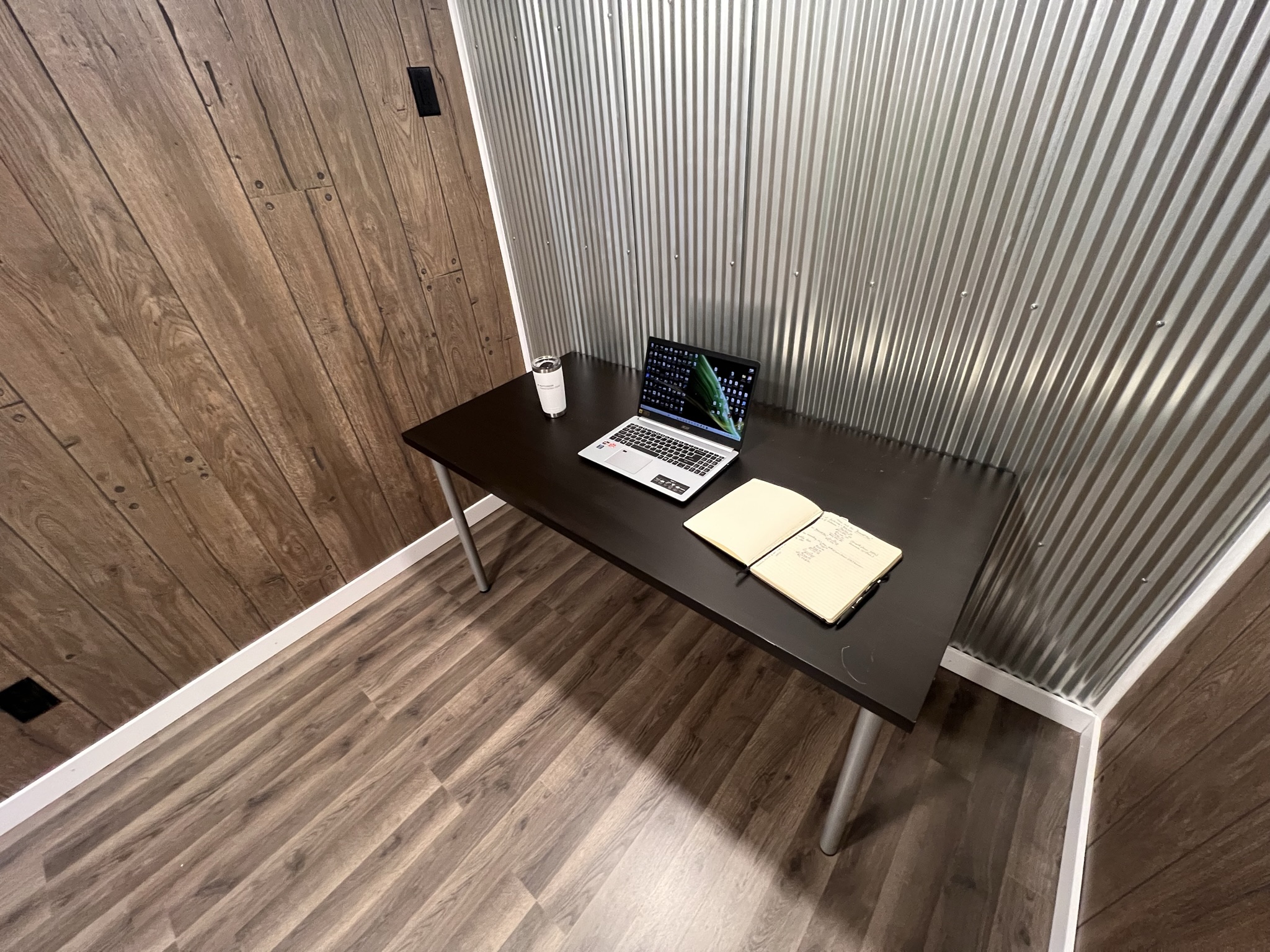
Shipping Containers For Business – Creative Ways To Use Them For Your Company
Shipping containers are no longer just for transporting goods. They have become a popular choice for businesses looking for creative and cost-effective ways to expand operations. From pop-up stores to office spaces, shipping containers have proven to be versatile and flexible for various industries.
The size and portability of shipping containers make them an excellent option for businesses looking for temporary retail space. Pop-up stores have become a trend in recent years, and shipping containers have provided a unique and eye-catching way for businesses to showcase their products. These containers can be customized with windows, doors, and branding to create a unique and engaging retail experience for customers.
Shipping containers can also be used to create mobile food trucks. Containers can be modified to include kitchen equipment, refrigeration, and seating areas for customers. The portability of shipping container food trucks allows businesses to move to different locations and reach a broader customer base. They can be used for food trucks, coffee shops, and even mobile bars.
Another option is office spaces for businesses looking for a cost-effective way to expand their operations. These containers can be stacked to create multiple levels and provide enough space for an entire team. They can be modified to include windows, doors, insulation, and air conditioning, making them comfortable and functional workspaces.
They can also be customized with lighting, sound systems, and staging to create a unique and functional space for events. These containers can be used for weddings, concerts, and even festivals. The portability of shipping containers makes them an excellent choice for event spaces, as they can be moved to different locations as needed.
Shipping containers are known for their durability and security, making them an excellent choice for storage units. They can be used to store equipment, inventory, and other supplies. These containers are weather-resistant and can be fitted with lockable doors and security features to protect the contents inside.
Containers can be customized to include workbenches, storage space, and electrical outlets creating portable workshops. These containers can be used for woodworking, metalworking, and even art studios. The size and durability of shipping containers make them an excellent choice for workshops, as they provide a safe and functional space for creating.
These containers can be transformed into tiny homes, vacation homes, and even affordable housing solutions. They can be customized to include kitchens, bathrooms, and sleeping areas, making them functional and comfortable living spaces.
Shipping containers have proven to be a versatile and cost-effective solution for businesses looking to expand their operations. From pop-up stores to office spaces, these containers can be customized to suit the needs of the business. They offer portability, durability, and security, making them an excellent choice for various industries. With the growing need for unique and sustainable business solutions, shipping containers have emerged as a viable option for companies looking to grow and expand their operations.
March 23, 2026
Read More>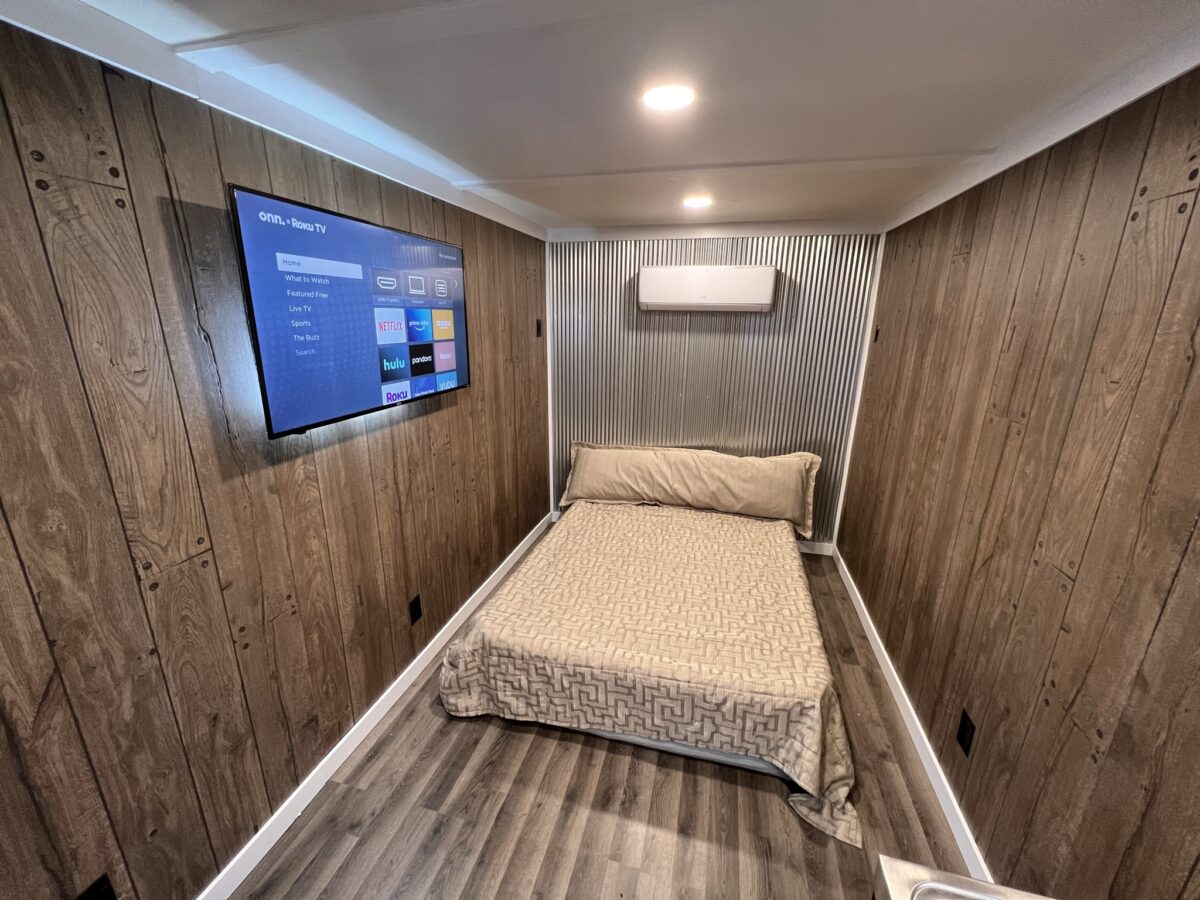
Shipping Container Homes Affordable and Sustainable Living Solutions
As the world’s population continues to grow, there is a growing need for sustainable, affordable housing solutions. Shipping container homes have emerged as a viable option that meets these requirements. These homes are made from shipping containers, which are readily available, durable, and affordable. They are also eco-friendly, making them a popular choice among environmentally conscious individuals.
One of the main benefits of shipping container homes is their affordability. Shipping containers are widely available, and they cost significantly less than traditional building materials. This makes them an excellent option for individuals and families who are looking for an affordable housing solution. Shipping containers can also be modified and customized to suit the needs of the homeowner, further reducing costs.
Shipping container homes are also a sustainable housing solution. The use of recycled shipping containers helps to reduce waste and promote sustainability. The containers are durable and can withstand harsh weather conditions, making them a long-lasting solution. These homes can be designed to be energy-efficient, which can help to reduce energy costs and lower the carbon footprint of the homeowner.
Another advantage of shipping container homes is their design flexibility. Shipping containers can be modified and customized to suit the needs of the homeowner. The containers can be stacked or arranged in different configurations to create unique and functional living spaces. The design possibilities are endless, and homeowners can work with architects and designers to create a home that suits their style and needs.
Shipping containers are built to withstand the rigors of international shipping, making them incredibly durable. They are made from steel, which makes them resistant to corrosion and wear and tear. This durability makes them an excellent choice for homes in areas prone to harsh weather conditions. This steel construction of shipping container homes makes them resistant to pests, mold, and fire.
These homes are also quick and easy to construct. The containers can be delivered to the construction site and assembled in a matter of weeks. This makes them an ideal solution for individuals who need a home quickly or who want to avoid lengthy construction timelines. Additionally, shipping container homes require fewer construction materials, which reduces waste and further promotes sustainability.
Shipping container homes are an affordable and sustainable housing solution that offers design flexibility, durability, and quick and easy construction. These homes are made from recycled shipping containers, making them eco-friendly and an excellent choice for environmentally conscious individuals. With the growing need for affordable and sustainable housing solutions, shipping container homes have emerged as a viable option that meets these requirements. Whether you are looking for a tiny home, a family home, or a vacation home, shipping container homes offer a unique and functional living space that is sure to meet your needs.
March 23, 2026
Read More>
How to Choose the Right Shipping Container for Your Project
Shipping containers have become a popular building material due to their durability, affordability, and versatility. They can be used for a wide range of projects, including homes, offices, restaurants, and even swimming pools. However, choosing the right shipping container for your project is crucial to ensure that it meets your needs and budget.
The first step in choosing the right shipping container is to determine its purpose and intended use. Are you planning to use it for storage, a workspace, or a living space? The intended use will determine the size, layout, and modifications required. For example, if you are planning to use it as a home, you will need to consider insulation, ventilation, plumbing, and electrical systems.
Shipping containers come in various sizes, including 20ft, 40ft, and 45ft. The size of the container will depend on the intended use and available space. If you are planning to use it for storage or a small workspace, a 20ft container may be sufficient. However, if you are planning to use it as a home or restaurant, a 40ft or 45ft container may be necessary.
The condition of the container is crucial to ensure that it is safe and suitable for your project. Inspect the container for any damages, such as rust or dents, that may affect the modification process. It’s also important to consider the age of the container and the history of its use. Containers that have been used for shipping may have wear and tear that affects their structural integrity.
There are various types of shipping containers, including standard dry containers, refrigerated containers, and high cube containers. Standard dry containers are the most common and are suitable for most projects. Refrigerated containers are used for transporting temperature-sensitive goods and can be modified for use as a walk-in cooler or freezer. High cube containers are taller than standard containers and offer additional height for projects that require more vertical space.
Delivery and placement of the container is another important consideration. Make sure that there is sufficient space for the container to be delivered and placed on-site. Consider the terrain and accessibility of the site, as well as any necessary permits and regulations. Also consider the orientation of the container and the location of doors and windows.
Modifications are necessary for most shipping container projects. The type and extent of modifications will depend on the intended use and budget. Common modifications include insulation, ventilation, windows and doors, electrical and plumbing systems, and flooring and walls. It’s important to work with a professional to ensure that the modifications are done safely and correctly.
Finally, the budget is a crucial consideration when choosing the right shipping container for your project. Shipping containers can be an affordable building material, but modifications can add to the overall cost. Consider the cost of the container, modifications, delivery, and placement when determining the budget.
Choosing the right shipping container for your project requires careful consideration of its purpose, size, condition, type, delivery and placement, modifications, and budget.
March 23, 2026
Read More>
The Ultimate Guide to Shipping Container Modifications
Shipping containers are becoming increasingly popular in a wide variety of industries, from construction to hospitality. Their durability, versatility, and affordability make them an excellent building material for those looking for a unique and eco-friendly option. Shipping containers can be modified in countless ways to create functional and stylish spaces that meet a variety of needs.
The first step in container modification is choosing the right container for your project. Containers come in various sizes, including 20ft, 40ft, and 45ft, and each has its own benefits and drawbacks. 20ft containers are the most compact and are ideal for smaller projects, while 40ft and 45ft containers offer more space but require more planning and preparation. It’s also essential to consider the condition of the container before purchasing it. Inspect the container for any damage, such as rust or dents, that may affect the modification process.
Once you’ve chosen your container, the next step is planning and design. This is where you decide on the purpose of the container, the layout, and the modifications required. It’s important to consider the intended use of the container and the necessary features, such as insulation, ventilation, and electrical systems. The design should also consider the aesthetic appeal and branding of the space, as well as any necessary permits and regulations.
Insulation is a crucial aspect of container modification. Shipping containers are made of steel and can be hot and uncomfortable in the summer and cold and drafty in the winter. Proper insulation helps to regulate the temperature and reduce energy costs. There are various insulation options, including spray foam, rigid foam, and batt insulation. Your choice will depend on the intended use of the container and the budget.
Proper ventilation is essential for a comfortable and healthy container space. Shipping containers can be stuffy and humid without proper ventilation, which can lead to mold and other health issues. Ventilation options include vents, fans, and air conditioning units.
Electrical and plumbing systems are essential for any container modification project. Electrical systems provide power for lighting, appliances, and other electronics. Plumbing systems provide water and waste management. It’s important to hire a licensed electrician and plumber to ensure that the systems are installed safely and correctly.
Windows and doors are essential for natural light and ventilation. They also add to the aesthetic appeal of the space. There are various window and door options, including sliding glass, roll-up, and custom-built door options. The choice will depend on the intended use of the container and the budget.
Flooring and walls are important for the overall look and functionality of the space. There are various options for flooring, including hardwood, tile, and vinyl. Walls can be painted, covered with wallpaper, or left as the original steel. It’s important to consider the intended use of the space when choosing flooring and wall options.
Branding and aesthetics are essential for making the space unique and memorable. This can include custom paint jobs, logos, and signage. The branding should reflect the intended use of the space and the company or organization behind it.
Shipping container modifications offer endless possibilities for creating functional and stylish spaces. The key to a successful modification project is proper planning and design, including the choice of the right container, insulation, ventilation, electrical and plumbing systems, windows and doors, flooring and walls, and branding and aesthetics.
March 23, 2026
Read More>
5 Ways Shipping Containers are Eco-Friendly
As the world becomes more environmentally conscious, people are looking for sustainable building options that reduce waste, lower carbon emissions, and minimize the impact on the planet. One of the most exciting and innovative options that have emerged in recent years is the use of shipping containers in construction.
One of the most significant advantages is that they can be recycled and repurposed. Millions of shipping containers are made each year, and many of them are only used once. This means that there is a large surplus of containers available for repurposing, rather than being discarded and contributing to landfill waste.
Shipping containers are made from steel, which is one of the most recyclable materials in the world. t. By using shipping containers in construction, we can give them a second life, reducing waste and carbon emissions.
They are designed to be transported across long distances, which means they need to be able to withstand extreme temperatures and weather conditions. They are typically made with high-quality insulation materials, which helps to keep them cool in hot climates and warm in colder climates. This means that they are naturally energy-efficient, as they require less energy to heat and cool than traditional buildings made from materials like wood or brick.
In addition to insulation, shipping containers can also be fitted with a range of energy-efficient features, such as solar panels, wind turbines, and rainwater harvesting systems. These features further reduce the carbon footprint of shipping container buildings and make them even more sustainable.
Traditional building materials like wood and brick require a significant amount of resources to produce, and a lot of waste is generated during the manufacturing process. Shipping containers, on the other hand, are already complete structures when they are repurposed for construction, which means that there is little to no waste generated during the building process.
In addition to the reduced waste during construction, shipping containers also require less maintenance than traditional building materials. This is because they are made from steel, which is a durable and long-lasting material, meaning that there is less need for repairs or replacements, which reduces the amount of waste generated over the lifespan of the building.
Shipping containers are incredibly versatile and can be modified and repurposed into a wide range of different structures. This means that they can be used for a variety of purposes, from homes and offices to schools and community centers. The flexibility of shipping containers also means that they can be easily adapted to meet changing needs or uses, which reduces the need for new construction and the associated waste and carbon emissions.
Perhaps the most significant benefit of using shipping containers in construction is the reduced carbon footprint. The production of traditional building materials like wood and brick requires a significant amount of energy and resources, which contributes to greenhouse gas emissions. Shipping containers, on the other hand, are already complete structures when they are repurposed for construction, which means that there is little to no manufacturing required.
In addition to the reduced manufacturing process, shipping container buildings are often designed to be energy-efficient and can be fitted with a range of renewable energy technologies. This means that they can reduce energy consumption and carbon emissions during both the construction and the use of the building.
Shipping containers are an eco-friendly and sustainable alternative to traditional building materials. They offer a range of benefits, including recycling and repurposing, energy efficiency, reduced material waste, flexibility and adaptability, and a reduced carbon footprint.
March 23, 2026
Read More>
How Shipping Containers are Revolutionizing the Construction Industry
The construction industry has been going through a period of revolution in recent years, with advancements in technology and materials changing the way that we build. One of the most exciting and innovative technologies that have been emerging is the use of shipping containers. What was once just a way to transport goods has become a versatile and cost-effective building material.
Shipping containers are made from durable steel, which makes them sturdy and resistant to weather and wear. They also have a standardized size and shape, which makes them easy to transport and stack. This makes them an ideal material for building structures, as they can be easily modified and repurposed into a wide range of uses.
One of the primary advantages of using shipping containers in construction is their cost-effectiveness. Building with traditional materials like wood and brick can be expensive, but shipping containers are inexpensive by comparison. This makes them an attractive option for those looking to build a structure on a tight budget.
They are also eco-friendly, as they can be recycled and repurposed into new structures. This means that they have a much lower environmental impact than traditional building materials, which often end up in landfills at the end of their useful life. Additionally, many shipping containers have already been used for their intended purpose, which means that using them in construction gives them a second life and reduces waste.
Another advantage of containers in is their versatility. They can be stacked, cut, and modified in a variety of ways, allowing them to be used for a wide range of different structures. From homes and offices to schools and community centers, shipping containers are being used to create buildings of all shapes and sizes.
One area where shipping containers are particularly useful is in the construction of emergency shelters. When natural disasters or other emergencies occur, there is often an urgent need for temporary housing for those who have been displaced. Shipping containers can be quickly and easily converted into livable spaces, providing shelter for those in need.
Shipping containers can also be used to create unique and innovative structures that are not possible with traditional building materials. They can be stacked and configured in a variety of different ways to create interesting and eye-catching designs. They can also be used to create mobile structures, which can be moved from one location to another as needed.
There are, of course, some challenges to using shipping containers in construction. One of the primary challenges is insulation. Steel is a poor insulator, which means that shipping containers can get very hot or very cold depending on the weather. This problem can be addressed by adding insulation to the container, but it does add to the cost of construction.
Another challenge is structural integrity. Shipping containers are designed to be stacked and transported, but they were not designed to support additional weight or be cut into. This means that modifications to the container must be made carefully to ensure that the structural integrity is not compromised.
Despite these challenges, the benefits of using shipping containers in construction far outweigh the drawbacks. Shipping containers are cost-effective, eco-friendly, versatile, and can be used to create unique and innovative structures. As the construction industry continues to evolve, it is clear that shipping containers will continue to play an important role in the future of building design and construction.
March 23, 2026
Read More>
10 Innovative Uses for Shipping Containers You Haven’t Considered Yet
Shipping containers are known for their utility in transporting goods, but they have increasingly found uses beyond the shipping industry. With their sturdy construction, modular design, and portability, shipping containers can be transformed into a variety of structures and spaces, from housing and offices to art installations and pop-up shops.
Shipping containers can be repurposed into self-contained hydroponic farms, allowing fresh produce to be grown in any location. By controlling the environment within the container, including lighting, temperature, and humidity, farmers can grow crops year-round and in any climate. This method of farming is also highly efficient, using up to 90% less water than traditional agriculture and eliminating the need for pesticides.
In the aftermath of natural disasters, housing is often in short supply. Shipping containers can be quickly and easily converted into housing units, providing a safe and secure place for those who lost their homes The modular design of shipping containers allows for easy transportation and stacking, making it possible to create entire communities of container homes.
They can also be used as mobile retail spaces, providing a unique and eye-catching way to sell products. These pop-up shops can be designed to fit any aesthetic and can be easily transported to different locations, making them ideal for events and markets.
Shipping containers can also provide a versatile and affordable space for creatives to work. With modifications like windows, skylights, and insulation, shipping containers can be transformed into bright and comfortable studios.
Drive through coffee shops are another possibility, providing a convenient and sustainable option for coffee lovers on the go. These coffee shops can be designed to fit any style and can be easily transported to different locations.
They can also be converted into school classrooms, providing a flexible and cost-effective solution for overcrowded schools. The modular design of shipping containers allows for easy expansion, and the containers can be customized to meet the specific needs of the school.
Shipping containers can also be used as into community centers, providing a space for events, classes, and meetings. These centers can be designed to fit the specific needs of the community and can be easily transported to different locations.
With their ability to provide a climate controlled environment, shipping containers can be converted into greenhouses, providing a controlled environment for growing plants. By adding windows, ventilation, and lighting, shipping containers can be transformed into year-round growing spaces.
Shipping containers can be converted into hotel rooms, providing a unique and eco-friendly option for travelers. These rooms can be designed to fit any style and can be easily transported to different locations.
They can also be transformed into fitness studios, providing a convenient and affordable option for fitness enthusiasts. These studios can be designed to fit any style and can be easily transported to different locations.
Shipping containers are versatile and adaptable structures that can be repurposed into a variety of uses beyond their original intended purpose. From hydroponic farming and disaster relief housing to mobile retail spaces and fitness studios, shipping containers offer a unique and sustainable option for a variety of needs. By considering the innovative uses for shipping containers, you may discover a new and creative way to utilize these modular structures in your own business or personal life.
March 23, 2026
Read More>
Why Businesses are Buying Shipping Containers
Shipping containers have become increasingly popular over the years, not just for transporting goods but also for storage. Their size makes them ideal for storing a wide range of items, from household goods to industrial equipment, and can be a cost-effective solution for businesses and individuals alike.
One of the most significant advantages of shipping containers for is their durability. They are built to withstand harsh ocean conditions, making them both sturdy and weather-resistant. They are made from high-quality steel, which is strong enough to withstand heavy loads and resist damage from impacts, fire, and even natural disasters. Shipping containers are also designed to be stackable, making them ideal for use in storage yards or warehouses where space is limited.
Shipping containers also provide a high level of security. These containers are designed to keep their contents safe and secure during transportation, which means they are already equipped with locking mechanisms and sturdy doors. This makes them an ideal choice for storing valuable items or equipment, as they can be easily locked up and left unattended without fear of theft or vandalism. They can be customized with additional security features, such as alarm systems, CCTV cameras, and motion detectors, to provide even greater protection for your stored items.
Ranges in sizing options makes shipping containers a versatile option for storage. The most common sizes are 20ft and 40ft, but they can also be found in larger or smaller sizes depending on your specific storage needs. Additionally, shipping containers can be easily modified and customized to suit your specific requirements. For example, you can install shelving, lighting, or ventilation systems to make them more suitable for storing specific types of goods or equipment.
Shipping containers are also a cost-effective storage solution. They are typically less expensive than building a traditional storage facility and can be quickly delivered and set up on your property. Also, due to their durability, they require minimal maintenance and can last for many years without needing to be replaced.
Portability is another key advantage shipping containers provide. If you need to move your stored items to a new location, you can simply transport the container to your new site using a truck or crane. This makes shipping containers an ideal choice for those who need to store items on a temporary basis or who may need to move their stored items frequently.
Shipping containers are an eco-friendly storage solution. Rather than building a new storage facility from scratch, which can require a lot of energy and resources, repurposing shipping containers as storage units can help reduce waste and material cost. Because they are made from steel, shipping containers are recyclable, which means they can be easily repurposed once they are no longer needed for storage.
Shipping containers are readily available, making them an ideal choice for those who need storage quickly. Because shipping containers are used to transport goods all over the world, they can be found in almost any port or city around the globe. This means that you can easily find a shipping container to rent or buy near your location, without having to wait for a new storage facility to be built.
Shipping containers are an excellent storage solution for a wide range of needs. They are durable, secure, versatile, cost-effective, portable, eco-friendly, and readily available. If you are looking for a storage solution that can provide all of these benefits, then shipping containers may be the perfect choice for you.
Shipping containers are not just limited to storage purposes. They can also be used for a variety of other applications, such as offices, workshops, living spaces, and even swimming pools. The possibilities are endless with shipping containers, and their versatility and flexibility make them a popular choice for many different industries and individuals.
Before purchasing or renting a shipping container for storage, it’s essential to consider the local regulations and zoning laws in your area. Some municipalities may have specific rules regarding the use of shipping containers, and you may need to obtain permits or approvals before using them on your property.
It’s also important to ensure that your chosen shipping container is in good condition and free from any defects or damage that could affect its suitability for storage. Inspect the container thoroughly before making a purchase or signing a rental agreement, and be sure to ask the seller or rental company about their maintenance and inspection procedures.
Shipping containers are an excellent choice for storage due to their durability, security, versatility, cost-effectiveness, portability, eco-friendliness, and availability. Whether you need to store household goods, industrial equipment, or other items, shipping containers can provide a reliable and practical storage solution. With their wide range of benefits and applications, it’s no wonder that shipping containers are becoming an increasingly popular choice for storage across the globe.
March 23, 2026
Read More>
Saving your cash flow and lease-to-own your shipping containers!
For your business to be as healthy as possible, keeping your cash flow high is king. Even if your business is showing great profits your cash flow may still be low. Most businesses finance their larger purchases such as trucks, trailers, manufacturing equipment, and property. Why not do the same when purchasing extra storage for your growing company. Whether to enhance more square footage to your current property or for better jobsite security. Leasing-To-Own your shipping containers a.k.a. conex boxes is a simple and easy way to keep your cash flow strong.
Now I’m not a CPA nor a tax expert but I’ve been using the Section 179 for years. IRS Tax Section 179 allows your businesses to deduct the price of shipping container you lease during the year. It essentially allows you to write off the total cost of the shipping container from your income.
The amount you save in taxes commonly exceeds the lease payments, which makes this very attractive to the bottom line.
The $1 Buyout Lease (Most Popular)
Use it like you own it. Also called a Capital Lease or Lease-To-Purchase where the lessee at the end of lease term owns the shipping container for $1 or 10% purchase agreement. Use this option to cover 100% of the purchase price, taxes, and shipping. Businesses often use this type of lease when they intend to keep the shipping container for an extended period set at the time of the lease issue. And it’s 100% deductible.
What’s a “True Lease” and why would this be better?
By adhering to a monthly payment schedule a True Lease gives you the option of purchasing the shipping container for fair market value when your lease has matured. At the end of your lease term, you have the choice of returning your leased conex box, continuing your current lease with a FMV renewal option, or purchasing the conex box you’re currently leasing at its fair market value.
The payments are typically lower than they are for a “Standard Long-Term Rental” and flexible payments are available, as well. For example, monthly adjustments may be made if you can afford to pay a little more or a little less each month. The entire cost of the shipping container can be financed, which means very little cash is needed up front. Leasing the shipping container you need, rather than purchasing it, frees up funds for other business expenses.
For more information about Lease-To-Own please contact me at andrew@conexking.com
March 23, 2026
Read More>